


Blog
You think you want Cobblestone to come back in CS2, but you don’t.

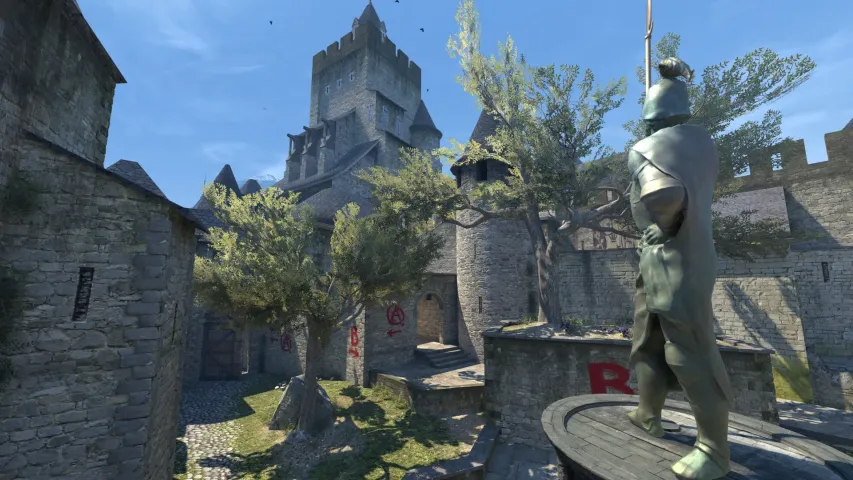
The Counter-Strike 2 community is currently divided over the idea of reintroducing Cobblestone to the competitive map pool. While some players fondly recall their experiences with Cobblestone, others are quick to point out the map’s shortcomings in a competitive environment. As the debate around this topic heats up, especially following the conclusion of the first CS2 Major, it’s crucial to take a closer look at Cobblestone’s potential impact on the competitive landscape. This article aims to explore both the nostalgic appeal of Cobblestone and the practical considerations surrounding its inclusion in the active map pool.
Nostalgia bias
Nostalgia casts a powerful spell, often coloring our memories and desires. For many in the CS2 community, Cobblestone evokes a sense of longing for the thrilling capture and strategy games that defined the early eras of Counter-Strike. However, this sentimental yearning can cloud judgment, leading to a biased view that ignores the map’s inherent shortcomings in competitive play. While nostalgia can enrich our understanding of the game’s history, it’s crucial to distinguish between the warm glow of fond memories and the cold light of competitive viability.
Comparative analysis
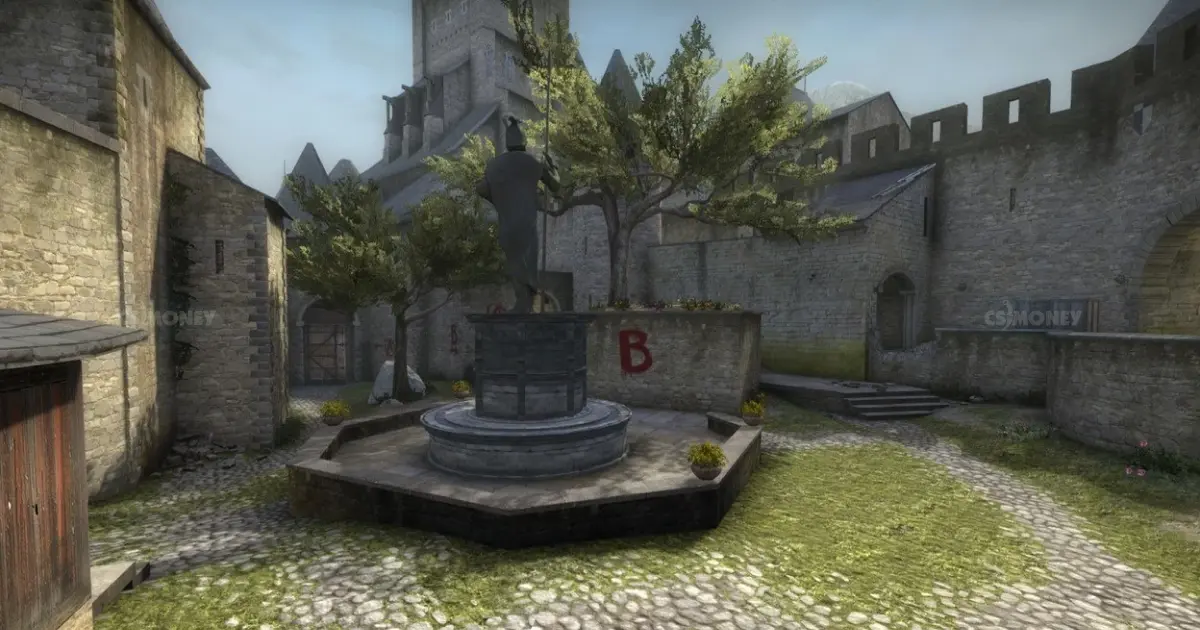
Compared to the current core CS2 maps, Cobblestone’s vastness and layout present a stark contrast. Maps like Nuke and Overpass, despite their comparable size, offer a more harmonious blend of combat range and strategic bombsite sizes, fostering a balanced and dynamic competitive experience. Cobblestone, with its vast “fields” and elongated corridors, often led to lengthy rotations and a pace of gameplay that was at odds with the intense, tactical skirmishes that define CS2.
The map’s design emphasized vast, open areas, which, while visually impressive, de-emphasized the intensity of combat and strategic maneuvering. This layout fostered a gameplay style that leaned heavily toward attrition, particularly around Point B, reducing the map’s overall strategic diversity. In contrast, Overpass skillfully navigates its size, integrating various combat ranges, creating a tapestry of tactical possibilities that Cobblestone struggles to match.
When assessing Cobblestone’s place in the modern competitive CS2 arena, it’s crucial to peel back layers of nostalgia and critically evaluate the map’s layout and design. Only then can the community and developers ensure that the active map pool continues to reflect the strategic depth and dynamic gameplay that underpin Counter-Strike’s enduring appeal.
Key Issues with Cobblestone
Cobblestone’s medieval battlefield-like architecture, while aesthetically pleasing, highlights several important issues when placed under the competitive microscope of Counter-Strike 2. The sprawling map layout, characterized by wide open spaces and long corridors, fundamentally alters the pace and strategy of gameplay, often tipping the scales toward less engaging match dynamics.
The main problem with Cobblestone is its size and design, which lead to increased rotation times and a clear emphasis on the B site for combat. This imbalance not only limits the strategic options available to teams but also makes gameplay predictable, as teams often favor the B positions due to their inherent advantages.
Furthermore, Cobblestone’s limited utility usage exacerbates the problem: compared to other maps, it lacks innovative smokes and flashes, forcing teams to rework their tactics. The lack of variety in utility play reduces the tactical depth that is a hallmark of Counter-Strike gameplay.
Another significant drawback of Cobblestone’s design is the difficulty of recapturing sections. The map’s size and layout, along with features like the one-way drop room, severely limit recapture strategies, often resulting in rounds being decided by whoever secures control of a section first. This aspect of the map not only inhibits the dynamic back-and-forth that makes CS2 matches so exciting, but also makes it less enjoyable for spectators who must watch a repetitive series of battles.
Conclusion
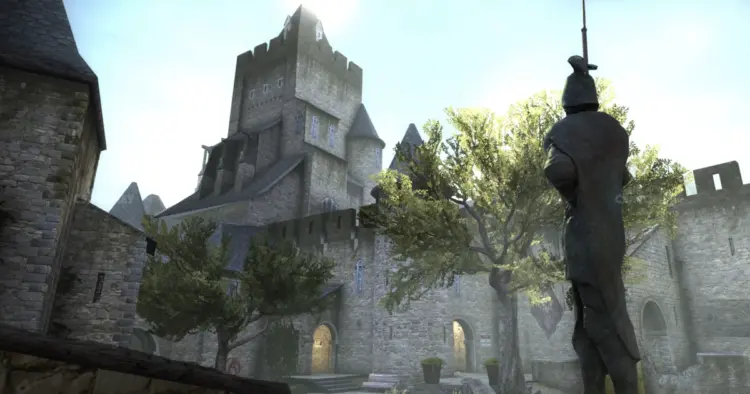
The charm of Cobblestone, with its rich history and unique location, is undeniable. However, its return to the competitive CS2 scene requires careful consideration of its inherent design issues and impact on gameplay dynamics. While nostalgia for Cobblestone’s epic battles remains strong, the evolving Counter-Strike 2 landscape demands maps that support a balanced, strategic, and engaging competitive environment.
As the community considers a potential reintroduction of Cobblestone, it’s important to prioritize elements that foster the intense, tactical gameplay for which Counter-Strike is renowned. The future of the CS2 map pool lies in maps that offer a harmonious blend of strategy, balance, and visual appeal, ensuring the continued growth and vibrancy of the competitive scene.


