
Blog
Evolution of Counter-Strike

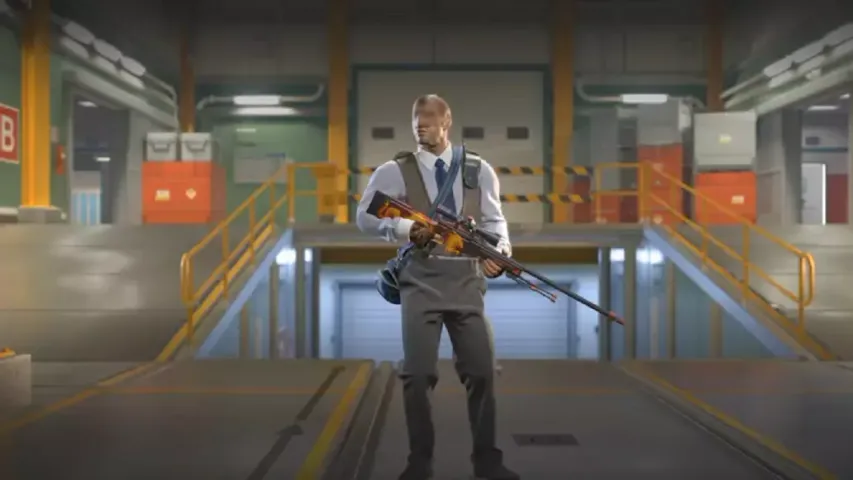
Hundreds of thousands of users play Counter-Strike daily, and professional tournaments are held around the world. Many have played, but few have considered how it all began and the journey CS has taken to this day. In this article, we’ll explore the amateur modification that evolved into one of the world’s most famous game series—Counter-Strike.
Origin
The story of the first CS prototype began in the late 1990s with the release of the original Quake. A casual gamer and aspiring programmer named Minh Li wanted to try his hand at modding. Soon, a mod called Navy Seals was born. It transformed the grim Quake into a more down-to-earth shooter, where a special forces team faced not hordes of evil, but simple terrorists.
With the release of Quake 2, Minh Li, as part of a small team called A Team, released a modification called Action Quake 2, which used the same concept of counter-terrorists versus counter-terrorists. This mod gave birth to the future Counter-Strike.
Mod for Half-Life and Counter-Strike 1.0
In 1999, A Team disbanded, and Min Li, together with Jess Cliffe, began working on a new modification using the popular Half-Life engine. At this point, the first working prototype of Counter-Strike was born. While it was far from the final version, even at this stage, fundamental concepts such as the confrontation between two teams and the encouragement of teamplay were already evident.
Noticing the popularity of their creation, Min Li and Jess Cliffe began refining it. In total, they released about seven major updates to the mod, adding weapons, bunny hopping, and tweaking the interface, movement system, aiming, and more. The success of these talented young people caught the attention of Valve, and they were soon brought under the company’s wing.
In the early 2000s, under Valve’s leadership, Counter-Strike 1.0 was released. Despite this, beta servers remained operational for another three years. Thanks to fans, you can still try the earliest versions of CS.
Counter-Strike 1.6
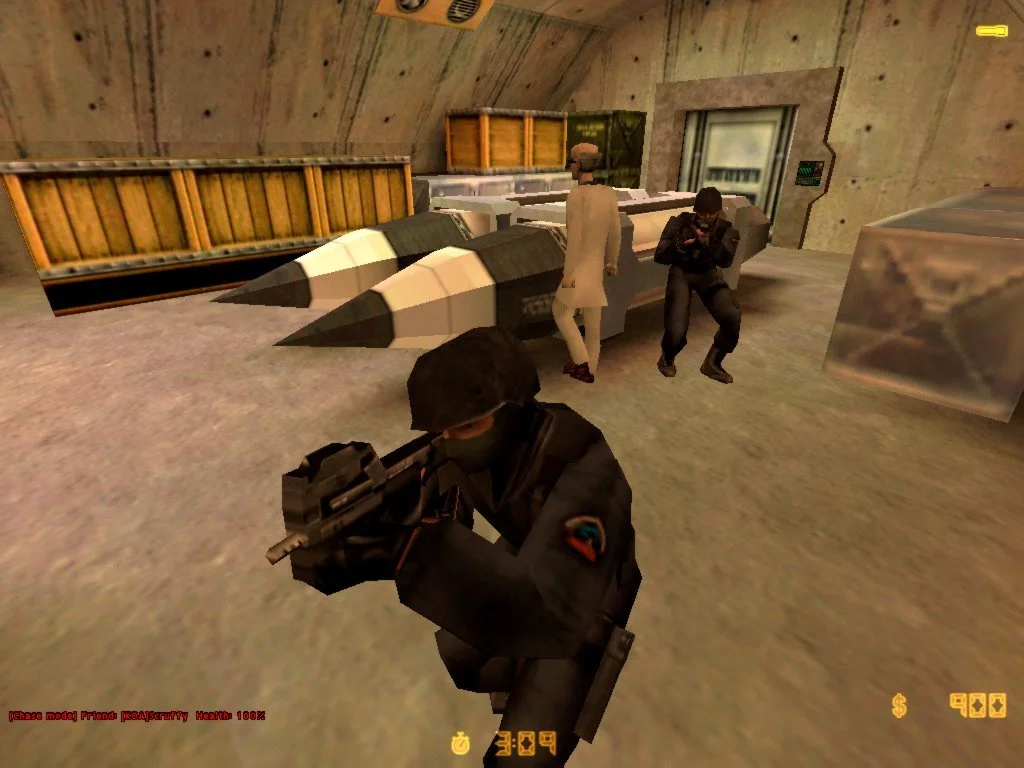
After a short time and several more major updates, the game finally reached its final version, 1.6, which is familiar to most players worldwide. The seemingly simple concept actually boasted a great deal of gameplay depth and many important details.
Players were still divided into two teams—Special Forces and Terrorists. Each side had its own unique weapon. The Terrorists had the AK-47, while the Special Forces had the M4. The only way to acquire an enemy weapon was to loot it from a corpse.
The game featured three modes: hostage rescue, bomb planting, and VIP assassination. All of this action took place on 25 different maps, most of which were well-balanced. Despite this, players chose only a few and engaged in constant battles there.
One of the game’s key features was the economy. Money was spent on equipment and weapons. Players received varying amounts of money for each round won or lost. Sensible allocation of funds when purchasing equipment was essential not only for tactics but also for the overall progress of the match.
Counter-Strike 1.6 soon surpassed games like Quake 3 Arena and Unreal Tournament. Overnight, CS became the most popular esports discipline in the world. Back in the 2000s, literally every gamer was familiar with CS 1.6, and for some, it became a true symbol of childhood. Even today, hundreds of thousands of players around the world continue to play CS 1.6.
Counter-Strike: Condition Zero
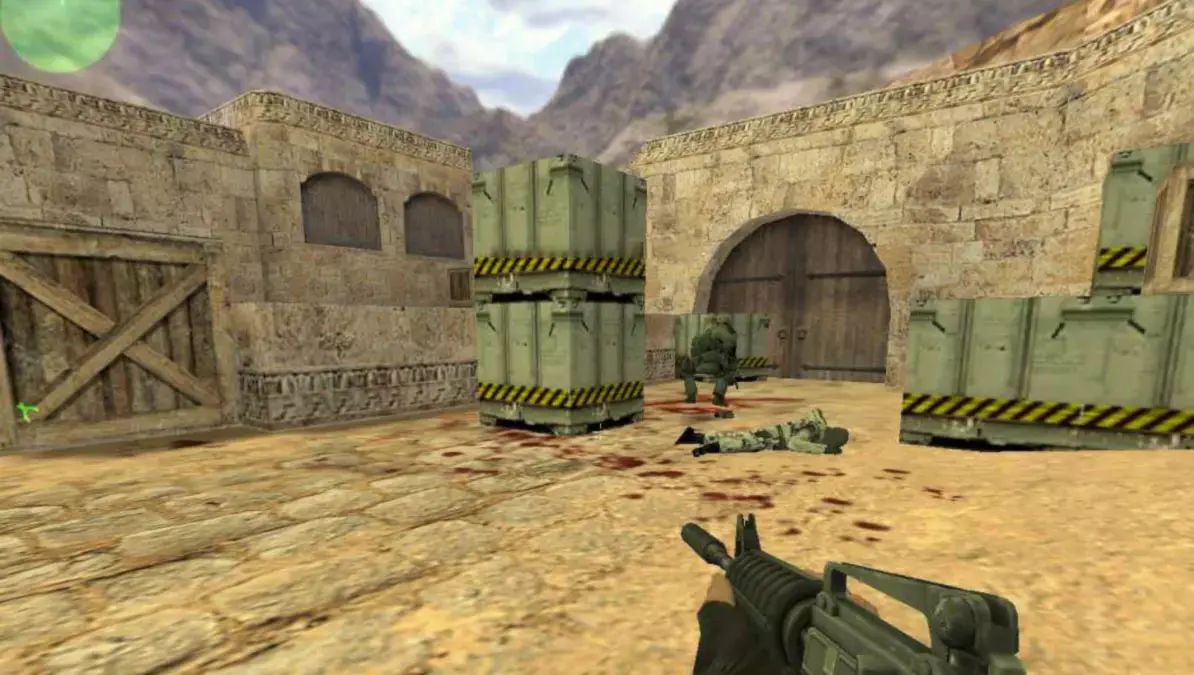
In March 2004, the long-suffering Counter-Strike: Condition Zero was released. Development of the game began back in 2000 at Rogue Entertainment. A year later, due to financial problems, the studio closed, and development of Condition Zero was handed over to Gearbox Software. They completely redesigned the game, adding support for new technologies and a single-player campaign. Despite this, the studio was behind schedule, and after yet another delay, development was handed over to Ritual Entertainment.
Condition Zero underwent another complete overhaul. The primary focus was on a campaign of 20 unrelated missions, where the player controlled various special forces units. The nearly finished game was cancelled due to poor feedback from beta testers.
Turtle Rock Studios was next tasked with finishing CS:CZ. They brought back the work done by Gearbox Software, finalized the artificial intelligence, and fixed all the bugs from the previous version. After four long years, Condition Zero finally reached release.
Gamers were disappointed. All Counter-Strike: Condition Zero had to offer was bot play and a single-player campaign. The campaign featured 18 missions set in various locations around the world, each with a short storyline.
Counter-Strike: Source
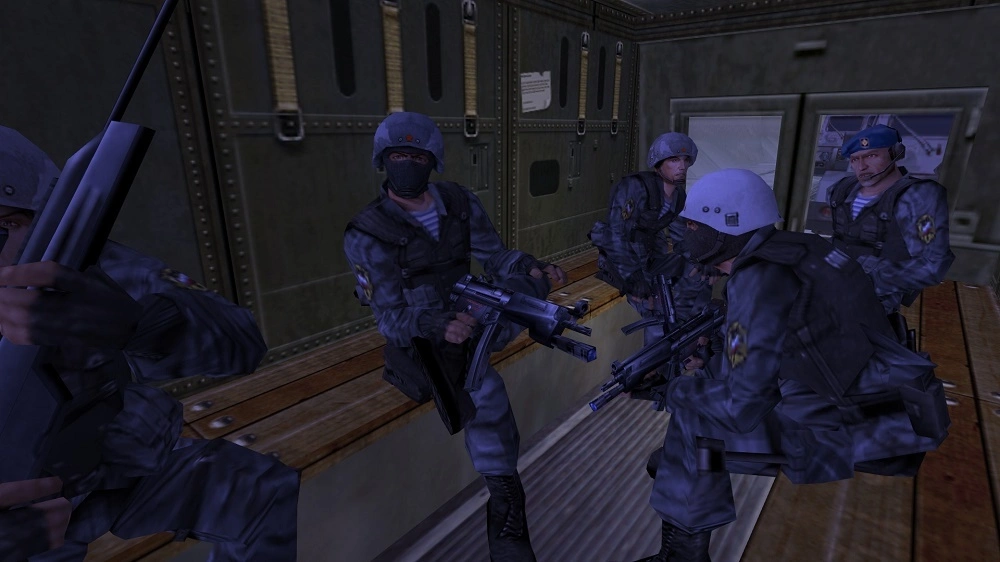
In October of that same year, 2004, another version of Counter-Strike, dubbed Source, was released. The game was developed by the same team as the original. The main goal during development was to simply port the game to a new engine without significant changes. The developers succeeded. Minor bugs and shortcomings of the original version were fixed, several errors in the network code were corrected, and the quality of graphics and effects was improved. Despite all the improvements, Counter-Strike: Source was rejected by players.
CS 1.6 fans refused to accept CS:S. Some disliked the new shooting physics, others the movement system, and still others the new maps. The developers didn’t expect such a negative reaction from the community.
Counter-Strike Online
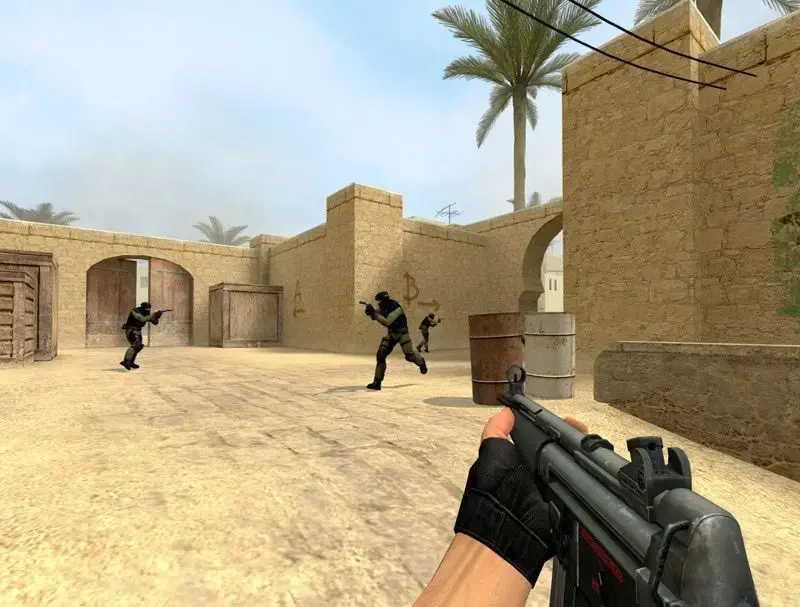
In an attempt to conquer the Asian market, Counter-Strike Online was released in 2008, focusing on zombies. The game was distributed free-to-play. Overall, the game had no significant differences from the original. However, there was one difference: an in-game store with a ton of junk that could be purchased for real money. The game was later released on Steam, becoming available worldwide.
Counter-Strike: Global Offensive
In an attempt to conquer the Asian market, Counter-Strike Online was released in 2008, focusing on zombies. The game was distributed free-to-play. Overall, the game had no significant differences from the original. However, there was one difference: an in-game store with a ton of junk that could be purchased for real money. The game was later released on Steam, becoming available worldwide.
Counter-Strike: Global Offensive
Rumors of a new version of Counter-Strike began circulating in 2011. In August of that year, Counter-Strike: Global Offensive was officially announced. A video stated that the developers were working to carefully recreate the features of the classic 1.6 version in a new format with improved graphics, netcode, online leaderboards, leaderboards, and more.
The fact that the world’s best esports players were involved in the development of the new version only fueled the community’s interest. Valve signaled its readiness to conquer the esports world once again. The long-awaited release took place in August 2012.
The game featured a competitive mode with a rank system, classic unranked matchmaking, and a variety of other modes. Sixteen maps were available at launch, including both new and reworked versions of existing ones. New weapons were also included, including the Zeus x27 stun gun, a Molotov cocktail, and others.
Weapon cases and skins deserve special attention, as they were immediately embraced by the community. An entire economy was built around them, and Valve began earning millions of dollars a year. Skin collectors also emerged, willing to pay thousands of dollars for rare items. Esports athletes weren’t far behind—everyone wanted to own gear with the best skins.
CS:GO was a hit with both veteran and new players. The game was constantly updated, and its audience grew daily. Year after year, numerous professional CS:GO tournaments were held with huge prize pools, and the best esports players became true idols for young gamers. The series was experiencing its best times.
Counter-Strike 2
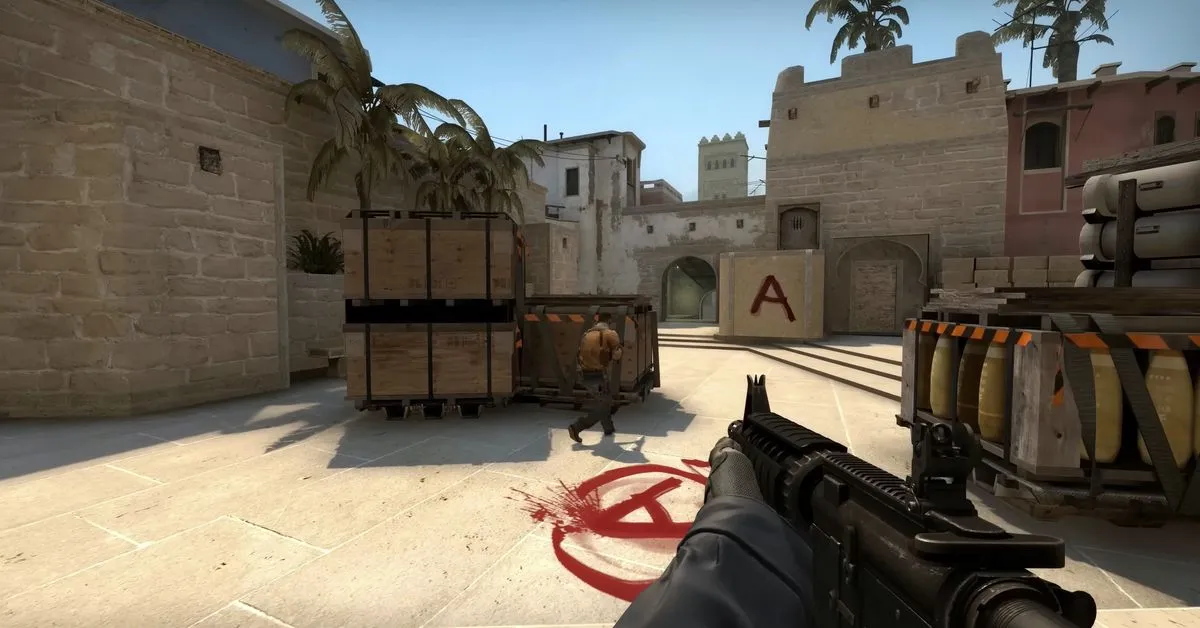
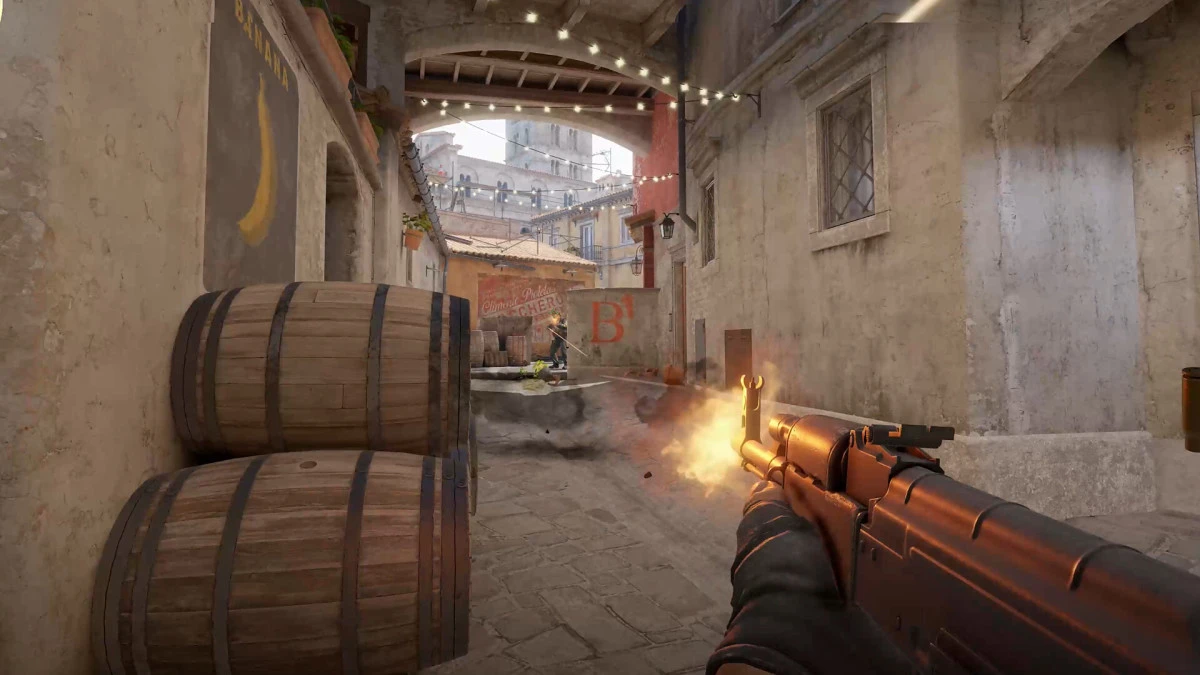
In the spring of 2023, the first trailers for Counter-Strike 2 were released. The main focus was on the game engine’s upgrade to Source 2. Graphics improved slightly, but PC requirements also increased. Gamers massively downgraded the game on Steam due to their extremely low FPS in CS2. CS2 is indeed not very optimized, but it is still playable even on a mid-range computer.
The game also reworked smoke from smoke stations. It now reacts to light, grenade explosions, and bullet impacts. Player shadows have also been improved. In CS2, you can spot an opponent long before they turn a corner.
Premier has become the main ranked mode, literally mirroring the professional scene. Users first go through a map ban phase, followed by a side selection. The familiar ranks have been carried over to casual matchmaking, and ranks are now assigned separately for each map.
CS2’s release was plagued by numerous issues that the developers still need to address, but despite this, it’s already enjoying widespread play. Thanks to the new game engine, many improvements, changes, and innovations are expected in the future.
That’s how Counter-Strike transformed from a hobbyist mod into a global phenomenon. No one could have imagined that a game created by two people would become one of the video game industry’s defining symbols.


