
Blog
How Counter-Strike Changed the Esports Landscape Forever

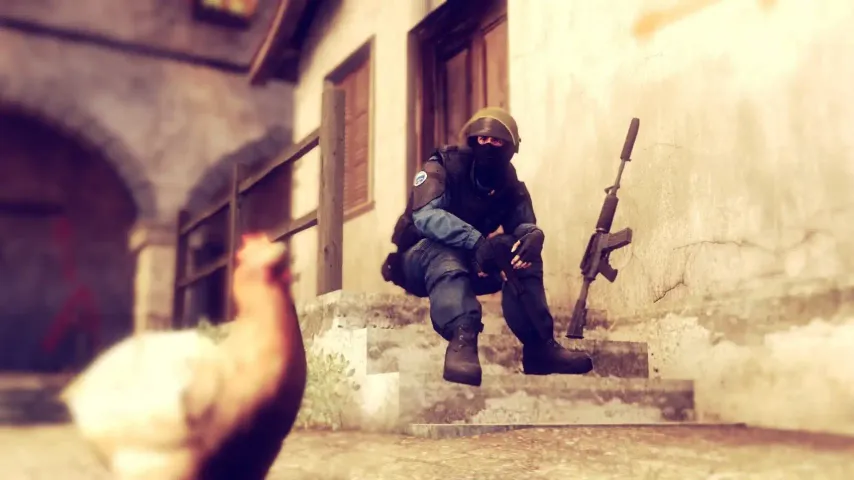
Counter-Strike is the legacy of Half-Life, which turned the entire gaming and esports industry upside down. In this article, we’ll explore the changes Counter-Strike brought to the esports world.
How did Counter-Strike come about?
The origins of CS are very similar to those of DotA. These projects share one commonality: they were initially just modifications to the main game. DotA was developed using the free Warcraft 3 level editor. Similarly, Counter-Strike was developed using a full suite of modding tools for the original Half-Life.
Two enthusiasts, Min Li and Jess Cliffe, with experience creating Quake mods, were working on their own game based on the popular Half-Life in 1999. The gameplay revolved around terrorists versus counter-terrorists. They created the game themselves, focusing on online play, opened servers for it, and developed it to rival the giant Quake.
Essentially, Counter-Strike was a prank that got out of hand. Riding a wave of popularity, the two hard-working guys’ activities were noticed by Valve, which offered them jobs. It was the smartest tactical move, earning the company millions of dollars in the future. Valve bought the rights to the game and hired Lee and Cliff as full-time employees.
Then, in 2000, Counter-Strike 1.0 was released, marking the beginning of an era. With that, we’ll leave the history of CS and move on to the most important contributions this legendary shooter made to esports.
The birth of eSports
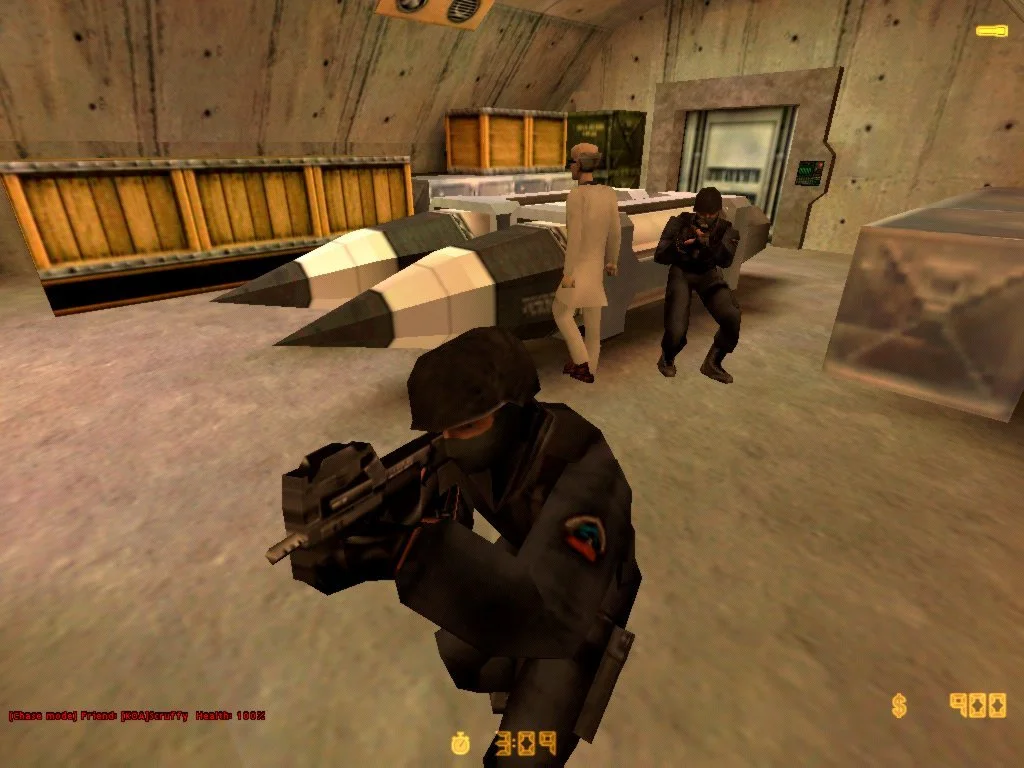
Counter-Strike was one of the first esports disciplines. The game offered players classic matches with two teams of five players each. Counter-Terrorists featured hostage rescue and bomb defusal modes, while terrorists featured hostage control and bomb planting. The formula proved simple but effective. As a result, CS esports quickly gained popularity worldwide and has only grown stronger since. Thousands of Counter-Strike tournaments are held annually.
Bringing the community closer to esports
With the release of Counter-Strike: Global Offensive, a system of ranks and titles was introduced, taking the game to a whole new level. While players had previously competed against each other, their skill was still not reflected anywhere. Now, the competitive mode brought the gameplay as close to esports tournaments as possible, with gamers grinding for ranks all over the world.
Players quickly became addicted to ranked matches. After all, when your rank is on the line and you have something to lose, it creates excitement and an adrenaline rush. This makes the game even more engaging.
Other developers realized what players really wanted, and similar rating systems began to appear in other games. For some, these are just numbers or words, while for others, reaching the highest rank in Counter-Strike or any other game is a lifelong goal.
The phenomenon of skins
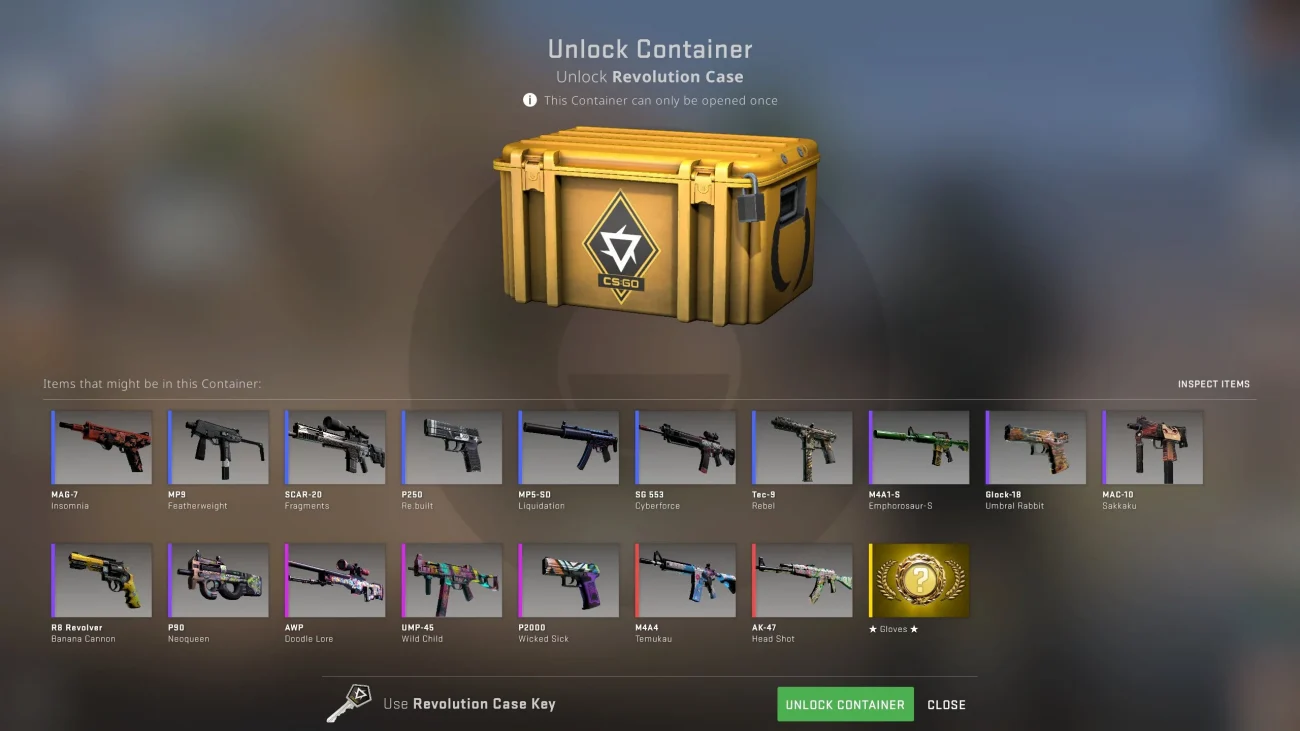
Who in their right mind would pay real money for weapon skins in a computer game? As it turns out, almost everything will! In addition to weapon skins, CS:GO now features graffiti, stickers, gloves, knives, and even music. All of these have been, are, and will continue to be sold.
Yes, some skins and cases can be obtained for free at the end of a match, but they only drop once a week. Furthermore, to open even a free case, you’ll have to purchase a key. An entire community economy has been built around this, and Valve has begun earning millions of dollars a year from transaction fees alone.
Skin collectors quickly emerged, amassing the rarest and most beautiful versions of a particular weapon. Demand creates supply, driving prices for some skins to tens of thousands of dollars.
Creative studio
The Creative Studio is a set of tools that allows anyone to create something new, whether it’s a SpongeBob SquarePants map or new skins. Counter-Strike is practically the only game where the community directly influences its development.
If you create a new map that gains immense popularity, it could eventually end up in the competitive pool for tournaments and matchmaking. Or if you’ve designed an incredibly beautiful skin that’s widely appreciated, it could very well end up in a new case. Incredible, right?
Counter-Strike is like a drug that provides immense pleasure when played, especially with friends. The desire to play CS may fade with age, but it never completely disappears. CS has been with us for over two decades and doesn’t seem to be going anywhere, continuing to evolve and contribute to esports.


